
Are non scratch scourers suitable for cleaning cookware?
As a supplier of Non Scratch Scourers, I've had numerous conversations with customers about the effectiveness and suitability of these products for cleaning cookware. In this blog, I'll delve into the details to help you understand whether non scratch scourers are the right choice for your cookware cleaning needs.
The Importance of Non - Scratch Cleaning
Cookware comes in a variety of materials, including stainless steel, non - stick coatings, cast iron, and enamel. Each material has its own unique properties and requirements for cleaning. Scratching the surface of cookware can not only affect its appearance but also its functionality. For example, a scratched non - stick coating may lose its non - stick properties, and scratches on stainless steel can harbor bacteria.
Non scratch scourers are designed to clean without leaving scratches on the surface of the cookware. They are made from materials that are gentle enough to protect the cookware's finish while still being effective at removing dirt, grease, and food residues.
How Non Scratch Scourers Work
Non scratch scourers typically use a combination of soft and abrasive materials. The soft side is often made of a sponge or a microfiber material that can absorb water and cleaning agents. This side is great for wiping and pre - cleaning the cookware. The abrasive side, on the other hand, is made of a non - scratch material such as nylon or a special polymer. This side is used to scrub away stubborn stains and grime.
When using a non scratch scourer, you first wet the scourer and apply a small amount of dish soap. Then, you can use the soft side to wipe the cookware and remove loose dirt. For more stubborn stains, you can switch to the abrasive side and gently scrub the affected area. The non - scratch material ensures that the surface of the cookware remains intact.
Suitability for Different Types of Cookware
Stainless Steel Cookware
Stainless steel is a popular choice for cookware because it is durable and easy to clean. Non scratch scourers are highly suitable for cleaning stainless steel cookware. The non - scratch abrasive material can effectively remove grease and stains without scratching the surface. Regular use of a non scratch scourer can keep your stainless steel cookware looking shiny and new.
Non - Stick Cookware
Non - stick cookware is coated with a special non - stick material, usually Teflon. Scratching this coating can cause it to flake off, reducing the non - stick properties of the cookware. Non scratch scourers are the ideal choice for cleaning non - stick cookware. The soft and non - abrasive nature of these scourers ensures that the non - stick coating remains intact. You can easily remove food residues and grease without worrying about damaging the coating.
Cast Iron Cookware
Cast iron cookware requires special care. It needs to be seasoned regularly to maintain its non - stick properties and prevent rusting. Non scratch scourers can be used to clean cast iron cookware, but it's important to be gentle. The abrasive side of the scourer can be used sparingly to remove stubborn stains, but you should avoid over - scrubbing. After cleaning, make sure to dry the cast iron cookware thoroughly and re - season it if necessary.
Enamel Cookware
Enamel cookware has a hard, glass - like coating. While it is relatively durable, it can chip or crack if scratched. Non scratch scourers are a great option for cleaning enamel cookware. They can remove dirt and stains without causing damage to the enamel coating.
Advantages of Using Non Scratch Scourers
- Protect Cookware: As mentioned earlier, non scratch scourers prevent scratches on the surface of the cookware, which helps to maintain its appearance and functionality.
- Versatility: They can be used on a wide range of cookware materials, making them a convenient cleaning tool for any kitchen.
- Effective Cleaning: Despite being non - scratch, these scourers are still effective at removing dirt, grease, and food residues.
- Long - lasting: High - quality non scratch scourers are durable and can be used multiple times, providing good value for money.
Comparing Non Scratch Scourers with Other Cleaning Tools
Double Sided Sponge
A Double Sided Sponge is another common cleaning tool. One side is usually a soft sponge for wiping, and the other side may have a slightly abrasive texture. While double - sided sponges can be effective for general cleaning, they may not be as effective as non scratch scourers for removing stubborn stains. Non scratch scourers have a more targeted abrasive action, making them better for tough cleaning jobs.
Magic Eraser
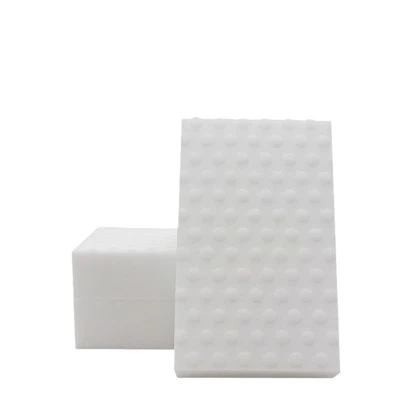
The Magic Eraser is known for its ability to remove tough stains with ease. However, it can be too abrasive for some types of cookware, especially non - stick and enamel. Non scratch scourers offer a more gentle alternative while still providing effective cleaning.
Tips for Using Non Scratch Scourers
- Rinse Thoroughly: After using the non scratch scourer, make sure to rinse it thoroughly to remove any dirt and soap residues. This will prevent the build - up of bacteria and keep the scourer in good condition.
- Replace Regularly: Over time, the abrasive material on the scourer may wear out. It's a good idea to replace the non scratch scourer every few months to ensure optimal cleaning performance.
- Use with the Right Cleaning Agents: You can enhance the cleaning power of the non scratch scourer by using it with a mild dish soap or a specialized cookware cleaner.
Conclusion
Non scratch scourers are highly suitable for cleaning cookware. They offer a gentle yet effective way to clean a variety of cookware materials without causing scratches. Whether you have stainless steel, non - stick, cast iron, or enamel cookware, a non scratch scourer can be a valuable addition to your cleaning arsenal.
If you're interested in purchasing high - quality Non Scratch Scourers for your kitchen or for your business, feel free to reach out to us. We're here to discuss your specific needs and provide you with the best cleaning solutions.


References
- "Cookware Materials and Their Care" - A guidebook on cookware maintenance.
- "The Science of Cleaning: How Different Tools Work" - A research paper on cleaning tools and their effectiveness.