
When it comes to cleaning ceramic surfaces, one of the most common concerns is finding a cleaning tool that can effectively remove dirt and stains without causing scratches. As a supplier of Non Scratch Scourer, I am often asked whether our product can be used on ceramic surfaces. In this blog post, I will delve into the science behind using non-scratch scourers on ceramics, explore their benefits, and provide some practical tips for optimal use.
Understanding Ceramic Surfaces
Ceramic surfaces are popular in kitchens and bathrooms due to their durability, ease of cleaning, and aesthetic appeal. They are made from clay that is fired at high temperatures, resulting in a hard, smooth, and non-porous surface. However, despite their toughness, ceramic surfaces can still be susceptible to scratches, especially when cleaned with abrasive materials.


How Non-Scratch Scourers Work
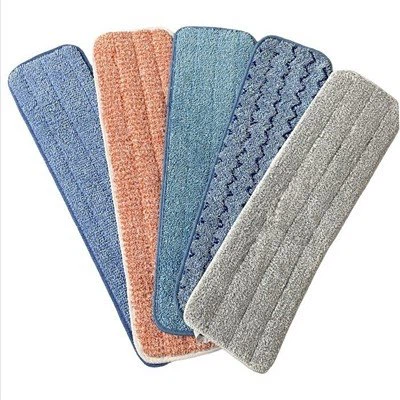
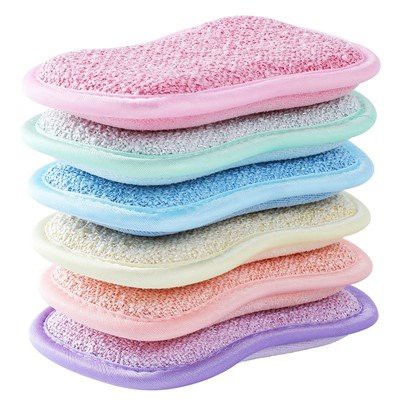
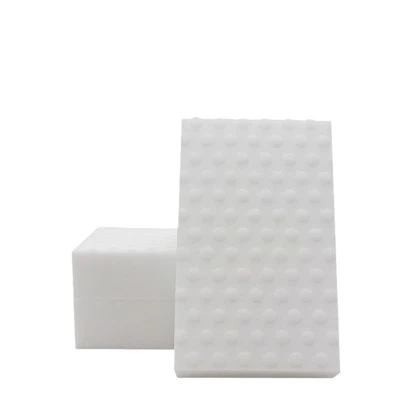
Non-scratch scourers are designed to clean effectively without damaging delicate surfaces. They are typically made from materials such as microfiber or soft foam, which have a gentle texture that can lift dirt and grime without scratching. The unique structure of these materials allows them to trap and hold onto particles, making them ideal for cleaning ceramic surfaces.
Benefits of Using Non-Scratch Scourers on Ceramic Surfaces
- Scratch-Free Cleaning: The primary benefit of using a non-scratch scourer on ceramic surfaces is that it eliminates the risk of scratches. This is particularly important for maintaining the appearance and value of your ceramic tiles, sinks, and countertops.
- Effective Cleaning: Non-scratch scourers are highly effective at removing stubborn dirt, grease, and stains from ceramic surfaces. They can penetrate deep into the pores of the ceramic to lift and remove dirt, leaving your surfaces clean and shiny.
- Versatility: Non-scratch scourers can be used on a variety of ceramic surfaces, including tiles, sinks, bathtubs, and countertops. They are also suitable for use on other delicate surfaces, such as glass and stainless steel.
- Environmentally Friendly: Many non-scratch scourers are made from sustainable materials, such as microfiber, which are reusable and washable. This makes them a more environmentally friendly alternative to disposable cleaning products.
Tips for Using Non-Scratch Scourers on Ceramic Surfaces
- Choose the Right Scourer: Not all non-scratch scourers are created equal. Look for a scourer that is specifically designed for use on ceramic surfaces and has a gentle texture. Avoid using scourers that are too abrasive or have rough edges, as these can cause scratches.
- Prep the Surface: Before using a non-scratch scourer, it is important to prep the surface by removing any loose dirt or debris. You can do this by sweeping or vacuuming the surface, or by using a damp cloth to wipe away any dust.
- Use the Right Cleaning Solution: When using a non-scratch scourer on ceramic surfaces, it is important to use a cleaning solution that is safe for ceramics. Avoid using harsh chemicals or abrasive cleaners, as these can damage the surface of the ceramic. Instead, opt for a mild, non-abrasive cleaner that is specifically designed for use on ceramics.
- Apply Gentle Pressure: When using a non-scratch scourer on ceramic surfaces, it is important to apply gentle pressure. Avoid scrubbing too hard, as this can cause scratches. Instead, use a circular motion and apply light pressure to lift and remove dirt and stains.
- Rinse Thoroughly: After using a non-scratch scourer on ceramic surfaces, it is important to rinse the surface thoroughly with clean water. This will remove any remaining dirt, debris, or cleaning solution from the surface.
Other Cleaning Tools for Ceramic Surfaces
In addition to non-scratch scourers, there are other cleaning tools that can be used on ceramic surfaces. Microfiber Cleaning Sponge is a popular choice for cleaning ceramic surfaces. Microfiber is a highly absorbent material that can trap and hold onto dirt and debris, making it ideal for cleaning. Double Sided Sponge is another option. These sponges have a soft side for gentle cleaning and a more abrasive side for removing stubborn stains.
Conclusion
In conclusion, a non-scratch scourer can be used on ceramic surfaces with great success. These scourers are designed to clean effectively without causing scratches, making them an ideal choice for maintaining the appearance and value of your ceramic tiles, sinks, and countertops. By following the tips outlined in this blog post, you can ensure that your ceramic surfaces are clean, shiny, and scratch-free.
If you are interested in purchasing our Non Scratch Scourer or have any questions about using it on ceramic surfaces, please feel free to contact us. We would be happy to assist you with your cleaning needs.
References
- "Ceramic Surfaces: Properties and Care." Ceramic Tile Institute of America.
- "Non-Scratch Cleaning Tools: How They Work." Cleaning Products Association.
- "Microfiber Cleaning: The Benefits and How to Use It." Microfiber Manufacturers Association.