
As a supplier of Anti - Static Dusters, I often get asked about the effectiveness of these dusters on various surfaces, especially ceramic surfaces. In this blog, I'll delve into the science behind anti - static dusters and explore whether they work well on ceramic.
How Anti - Static Dusters Work
Anti - static dusters are designed to attract and hold dust particles through electrostatic forces. Unlike traditional dusters that simply move dust around, anti - static dusters create a static charge that binds dust to the duster's fibers. When you use an anti - static duster, it becomes charged with static electricity, either through friction or by being treated with anti - static agents. This static charge causes dust particles to be attracted to the duster, effectively removing them from the surface.


The key to the effectiveness of an anti - static duster lies in its material. Most anti - static dusters are made from microfiber materials. Microfiber is a synthetic fiber that has a very fine diameter, which provides a large surface area for dust to adhere to. The structure of microfiber also allows it to trap dust particles within its fibers, preventing them from being released back into the air.
Ceramic Surfaces: Properties and Challenges
Ceramic surfaces are known for their smoothness, durability, and resistance to scratches. However, they also have a tendency to accumulate dust and fingerprints. The smooth surface of ceramic makes it easier for dust to settle, and the non - porous nature of ceramic means that dust can be difficult to remove without the right tools.
One of the challenges with cleaning ceramic surfaces is that traditional cleaning methods, such as using a dry cloth, can often leave behind streaks and lint. Additionally, abrasive cleaners can scratch the ceramic surface, causing damage over time. This is where anti - static dusters come in.
Do Anti - Static Dusters Work on Ceramic Surfaces?
The answer is a resounding yes. Anti - static dusters are highly effective on ceramic surfaces for several reasons.
First, the static charge generated by the anti - static duster attracts dust particles on the ceramic surface. Since ceramic is a smooth surface, the dust is not deeply embedded, and the static force can easily pull the dust away. The microfiber material of the duster then traps the dust, preventing it from being redeposited on the surface.
Second, anti - static dusters are gentle on ceramic surfaces. Unlike abrasive cleaners or rough cloths, they do not scratch or damage the ceramic. This is important for maintaining the appearance and integrity of the ceramic.
Third, anti - static dusters are convenient to use. You can simply wipe the duster across the ceramic surface, and it will pick up dust quickly and efficiently. There is no need for additional cleaning solutions, which can sometimes leave behind residues on ceramic surfaces.
Different Types of Anti - Static Dusters for Ceramic Surfaces
As a supplier, I offer a variety of anti - static dusters that are suitable for ceramic surfaces.
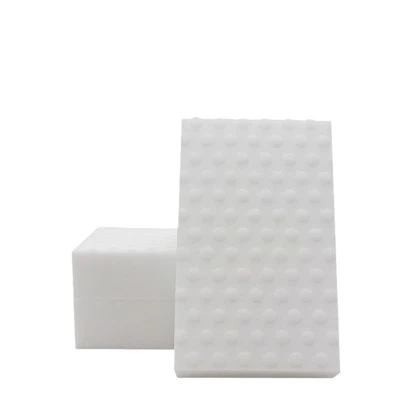
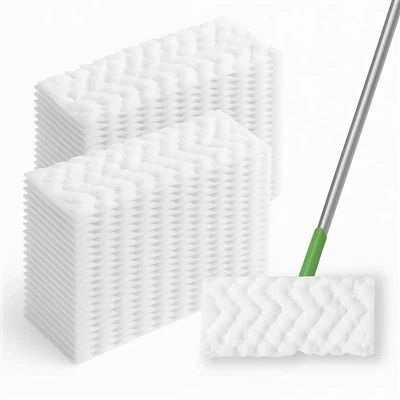
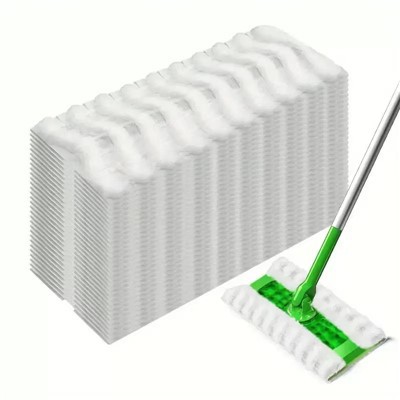
The Anti - Static Duster is a general - purpose duster that is ideal for cleaning ceramic surfaces. It has a large surface area and a strong static charge, which allows it to pick up a significant amount of dust in a single pass.
The Short Handle Dusters are great for reaching small or hard - to - reach areas on ceramic surfaces. They are compact and easy to maneuver, making them perfect for cleaning corners, edges, and small decorative ceramic items.
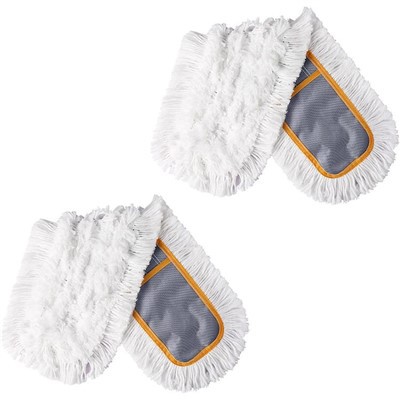
The Microfiber Duster is another excellent option. Microfiber is known for its superior dust - trapping capabilities, and it is very gentle on ceramic surfaces. It can be used dry or slightly dampened for a more thorough clean.
Tips for Using Anti - Static Dusters on Ceramic Surfaces
- Prepare the duster: Before using the anti - static duster, give it a few gentle shakes to activate the static charge. This will help it attract dust more effectively.
- Use a light touch: When cleaning ceramic surfaces, use a light touch to avoid scratching the surface. Gently glide the duster across the ceramic, and let the static charge do the work.
- Clean the duster regularly: Over time, the duster will accumulate dust. To maintain its effectiveness, clean the duster regularly. You can wash it in the washing machine according to the manufacturer's instructions.
- Avoid using on wet surfaces: Anti - static dusters work best on dry surfaces. If the ceramic surface is wet, dry it first before using the duster.
Conclusion
In conclusion, anti - static dusters are a great solution for cleaning ceramic surfaces. They are effective, gentle, and convenient to use. Whether you are cleaning ceramic tiles, vases, or other ceramic items, an anti - static duster can help you keep them clean and dust - free.
If you are interested in purchasing our anti - static dusters for your ceramic cleaning needs, we welcome you to contact us for procurement and negotiation. Our team is ready to assist you in finding the right duster for your specific requirements.
References
- "Microfiber Technology: A Revolution in Cleaning" - Journal of Cleaning Science
- "Static Electricity and Its Applications in Cleaning" - Science of Cleaning Magazine