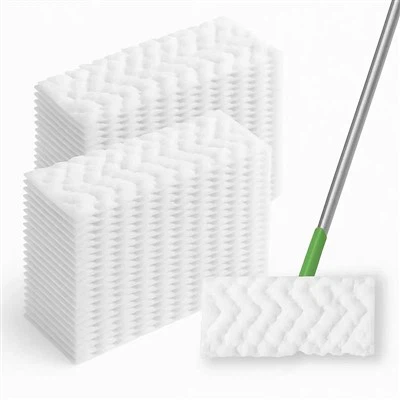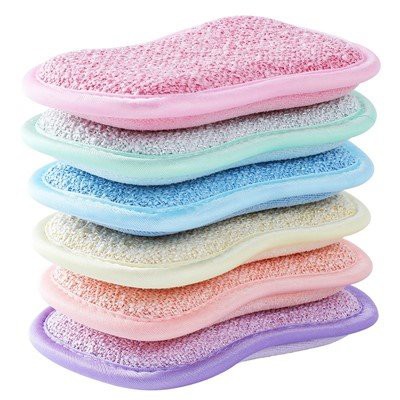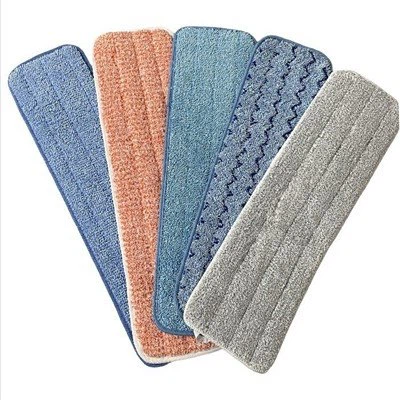

Ceiling fans are a common fixture in many homes and offices, providing a cost - effective way to circulate air and keep the environment comfortable. However, over time, these fans can accumulate a significant amount of stubborn dust. This dust not only affects the appearance of the fan but can also impact indoor air quality and the fan's performance. In this blog, as a ceiling fan duster supplier, I'll explore how effective ceiling fan dusters are in removing stubborn dust.
Understanding Stubborn Dust on Ceiling Fans
Stubborn dust on ceiling fans is not just the ordinary fine dust that settles on surfaces. It often consists of a combination of particles such as lint, pet hair, and even grease in some cases. The position of ceiling fans, high up on the ceiling, makes them difficult to reach, and the constant rotation of the fan blades causes the dust to adhere more firmly. As the fan operates, the dust is circulated in the air, potentially causing respiratory problems for those in the room.
Types of Ceiling Fan Dusters and Their Effectiveness
Anti - Static Dusters
Anti - static dusters, like the one you can find Anti - Static Duster, are designed to attract and hold dust particles through static electricity. These dusters are made from materials that generate a static charge when rubbed against the fan blades. The static charge helps to pick up dust that might otherwise be difficult to remove.
One of the main advantages of anti - static dusters is their ability to grab onto small dust particles. They can effectively remove fine dust that is often embedded in the surface of the fan blades. However, they may not be as effective for larger debris such as pet hair or lint. In some cases, the static charge can also attract more dust if the duster is not properly cleaned after use.


Long Handle Dusters
Long handle dusters, available at Long Handle Dusters, are essential for reaching ceiling fans. They come in various lengths, allowing users to clean fans without the need for ladders in most cases. The long handle provides a safe and convenient way to access the fan blades.
The effectiveness of long handle dusters depends on the material of the duster head. Some long handle dusters have microfiber heads, while others may have feathers or synthetic materials. Microfiber long handle dusters are particularly effective as they can trap dust and dirt within their fibers. Feather dusters, on the other hand, can be good at gently sweeping away dust, but they may not hold onto the dust as well as microfiber dusters.
Microfiber Dusters
Microfiber dusters, like the ones at Microfiber Duster, are highly effective in removing stubborn dust. Microfiber is made up of tiny fibers that can penetrate into small crevices and capture dust particles. The fibers have a high surface area, which allows them to hold a large amount of dust.
Microfiber dusters are also washable and reusable, making them an environmentally friendly option. They can be used dry or slightly dampened, depending on the type of dust. For stubborn dust, a slightly dampened microfiber duster can be more effective as it can dissolve and lift the dirt. However, care must be taken not to over - wet the duster, as this can cause water damage to the fan.
Factors Affecting the Effectiveness of Ceiling Fan Dusters
Frequency of Cleaning
The frequency of cleaning plays a crucial role in the effectiveness of ceiling fan dusters. If the fan is cleaned regularly, the dust is less likely to become stubborn. For example, if you clean your ceiling fan once a month, the dust will be easier to remove compared to cleaning it once every six months. Regular cleaning also helps to maintain the appearance and performance of the fan.
Type of Dust
As mentioned earlier, different types of dust require different cleaning methods. Fine dust, such as the dust that accumulates from air pollution, can be easily removed by anti - static or microfiber dusters. However, larger debris like pet hair may require a different approach. In some cases, a vacuum cleaner with a brush attachment may be more effective for removing pet hair from the fan blades.
Fan Blade Material
The material of the fan blades can also affect the effectiveness of the duster. For example, fans with smooth plastic blades may be easier to clean compared to fans with textured or painted blades. Textured blades can trap dust more easily, and the dust may be more difficult to remove. In such cases, a microfiber duster may be more effective as it can reach into the crevices of the textured surface.
Measuring the Effectiveness of Ceiling Fan Dusters
To measure the effectiveness of ceiling fan dusters, several methods can be used. One way is to visually inspect the fan blades before and after cleaning. A clean fan blade should appear free of visible dust. Another method is to use a white cloth to wipe the blade after cleaning. If the cloth comes away clean, it indicates that the duster has been effective in removing the dust.
In addition, air quality sensors can be used to measure the amount of dust in the air before and after cleaning. A significant reduction in dust particles in the air after cleaning indicates that the duster has been successful in removing the stubborn dust from the fan.
Conclusion
Ceiling fan dusters can be highly effective in removing stubborn dust, but their effectiveness depends on several factors such as the type of duster, the frequency of cleaning, the type of dust, and the fan blade material. Anti - static dusters are great for picking up fine dust, long handle dusters provide easy access to high - up fans, and microfiber dusters are versatile and can handle a variety of dust types.
If you're looking for a reliable solution to keep your ceiling fans dust - free, we offer a wide range of high - quality ceiling fan dusters. Whether you need an anti - static duster, a long handle duster, or a microfiber duster, we have the products to meet your needs. If you're interested in purchasing our ceiling fan dusters or have any questions, please feel free to contact us for a procurement discussion. We're here to help you keep your indoor environment clean and comfortable.
References
- Smith, J. (2020). "Indoor Air Quality and Dust Management". Journal of Environmental Science.
- Johnson, A. (2019). "The Science of Dust Removal". Cleaning Technology Review.