
When it comes to maintaining a clean and healthy living or working environment, cleaning sponges are indispensable tools. As a cleaning sponge supplier, I understand the importance of not only providing high - quality products but also ensuring that our customers use them safely. In this blog, I will share some crucial safety precautions that should be taken when using a cleaning sponge.
1. Pre - use Inspection
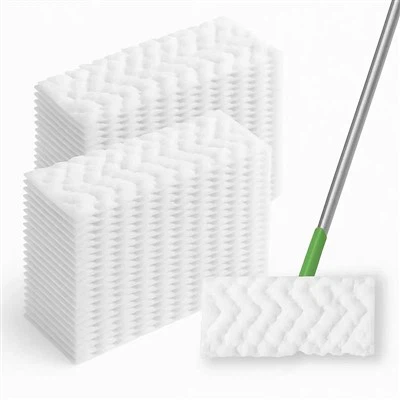
Before using a cleaning sponge, it is essential to conduct a thorough inspection. Check for any signs of damage, such as tears, holes, or fraying. A damaged sponge may not clean effectively and can also pose a risk. For example, loose fibers from a frayed sponge can break off and contaminate the surface being cleaned. If you are using a Magic Eraser, make sure it is intact. These erasers are made of melamine foam, and a damaged one may crumble easily, leaving behind small particles that could be inhaled or ingested accidentally.
2. Compatibility with Cleaning Agents
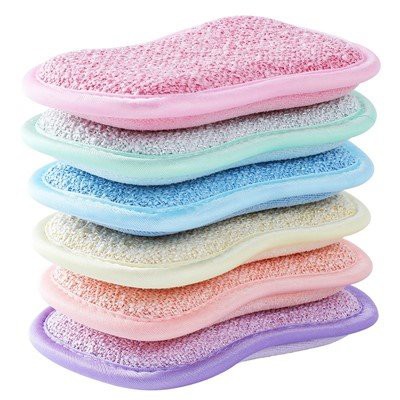
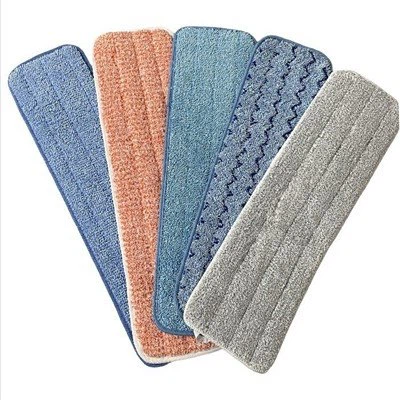
Most cleaning sponges are designed to work with a variety of cleaning agents, but it is important to check the compatibility. Some sponges may react with certain chemicals, leading to discoloration, degradation, or even the release of harmful substances. For instance, a Microfiber Cleaning Sponge may not be suitable for use with abrasive or highly acidic cleaning agents. These agents can damage the microfibers, reducing the sponge's cleaning efficiency and potentially causing skin irritation if the damaged fibers come into contact with the skin.
Always read the instructions on both the cleaning sponge and the cleaning agent. If in doubt, test a small, inconspicuous area first. This way, you can ensure that the combination of the sponge and the cleaning agent is safe and effective.
3. Personal Protection
When using a cleaning sponge, especially in combination with cleaning agents, personal protection is crucial. Wear gloves to protect your hands from chemicals, dirt, and bacteria. Some cleaning agents can cause skin irritation, dryness, or allergic reactions. Gloves act as a barrier, preventing direct contact between your skin and the potentially harmful substances.
In addition to gloves, if you are working in a poorly - ventilated area or using strong cleaning agents, consider wearing a mask. This helps to prevent inhalation of fumes, which can be harmful to your respiratory system. For example, when using a Non Scratch Scourer with a powerful degreaser, the fumes can be quite strong, and a mask can provide necessary protection.
4. Proper Storage
Proper storage of cleaning sponges is often overlooked but is an important safety measure. After use, rinse the sponge thoroughly to remove all dirt, debris, and cleaning agents. Wring it out as much as possible to reduce moisture. Excess moisture can lead to the growth of mold and bacteria, which can not only damage the sponge but also pose a health risk.
Store the sponge in a dry, well - ventilated area. Avoid leaving it in a damp environment, such as a closed cabinet or under the sink. You can also consider using a sponge holder that allows air to circulate around the sponge. This helps to keep the sponge dry and fresh, reducing the chances of contamination.
5. Avoid Cross - Contamination
Cross - contamination is a significant concern when using cleaning sponges. A single sponge should not be used to clean different areas without proper cleaning in between. For example, do not use the same sponge to clean the kitchen sink and the toilet. Bacteria from the toilet can easily transfer to the kitchen sink, leading to potential health hazards.
To prevent cross - contamination, have separate sponges for different areas of your home or workplace. Label them clearly to avoid confusion. If you are using a sponge for a particularly dirty or germ - ridden area, such as a garbage can, make sure to clean it thoroughly or replace it after use.
6. Usage on Delicate Surfaces
When using a cleaning sponge on delicate surfaces, extra care is required. Some sponges, especially those with a rough texture, can scratch or damage sensitive materials. For example, a Non Scratch Scourer may still cause damage to a polished marble countertop if used with excessive force.


Before using a sponge on a delicate surface, test it on a small, hidden area. Use gentle pressure and observe if there are any signs of scratching or damage. If the sponge is suitable, continue cleaning with a light touch. For very delicate surfaces, consider using a soft - textured sponge or a microfiber cloth instead.
7. Regular Replacement
Cleaning sponges have a limited lifespan. Over time, they accumulate dirt, bacteria, and grime, which can reduce their cleaning effectiveness and pose a health risk. Regularly replacing your cleaning sponges is an important safety precaution.
The frequency of replacement depends on the usage. If you use a sponge daily for heavy - duty cleaning, you may need to replace it every one to two weeks. For less frequent use, a replacement every month or two may be sufficient. When replacing a sponge, make sure to dispose of the old one properly to prevent the spread of bacteria.
8. Keep Away from Children and Pets
Cleaning sponges, especially those that have been used with cleaning agents, can be dangerous to children and pets. Children may be tempted to put the sponge in their mouths, and pets may chew on it. This can lead to ingestion of harmful substances, which can cause serious health problems.
Store cleaning sponges in a high, out - of - reach place. If possible, keep them in a locked cabinet. When using a sponge, make sure to keep children and pets away from the area. If a child or pet comes into contact with a used sponge, wash the affected area immediately and seek medical advice if necessary.
9. Handling and Disposal
When handling a used cleaning sponge, be careful not to spread bacteria or dirt. Avoid touching your face, eyes, or mouth while using the sponge. After use, wash your hands thoroughly with soap and water.
Proper disposal of used cleaning sponges is also important. If the sponge is heavily soiled or contaminated, it should be thrown away in a sealed plastic bag. This helps to prevent the spread of bacteria and other contaminants. If the sponge is still in good condition but you no longer need it, consider recycling it if possible.
Conclusion
Using a cleaning sponge safely is essential for maintaining a clean and healthy environment. By following these safety precautions, you can ensure that you get the most out of your cleaning sponges while minimizing the risks. As a cleaning sponge supplier, we are committed to providing high - quality products and educating our customers on their safe use.
If you are interested in purchasing our cleaning sponges, including Magic Eraser, Microfiber Cleaning Sponge, and Non Scratch Scourer, feel free to reach out to us for procurement and negotiation. We look forward to serving you.
References
- Cleaning Product Safety Council. (20XX). Best Practices for Safe Use of Cleaning Tools.
- American Cleaning Institute. (20XX). Guidelines for Cleaning Sponge Usage and Safety.