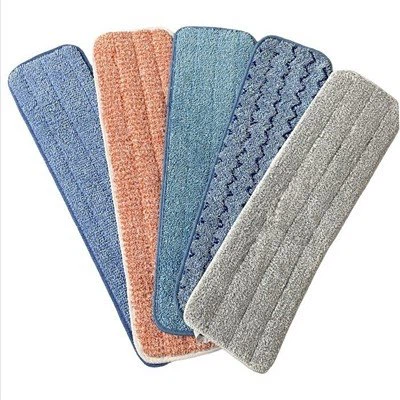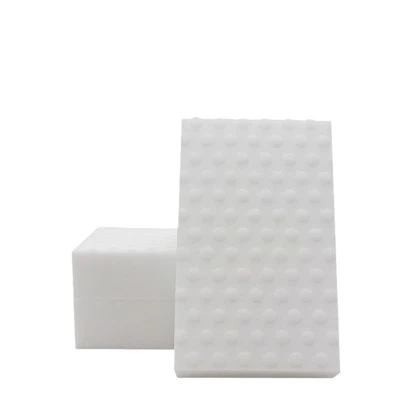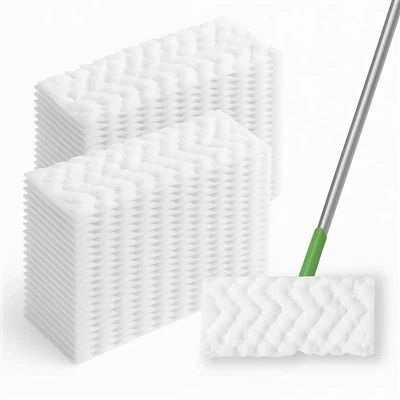

When it comes to cleaning, sponges are indispensable tools in our daily lives. As a cleaning sponge supplier, I've seen a wide range of sponges, from the Microfiber Cleaning Sponge to the Magic Eraser and the Non Scratch Scourer. One common challenge users face is how to effectively squeeze water from these sponges. In this blog, I'll explore various methods and determine the best way to achieve this.
Manual Squeezing
The most straightforward method is manual squeezing. This involves simply using your hands to wring out the water from the sponge. It's a quick and easy solution that requires no additional tools. However, it may not be the most efficient way, especially for larger or denser sponges.
For smaller sponges, such as the Magic Eraser, manual squeezing can work well. The soft and porous nature of these sponges allows for relatively easy water extraction. Simply hold the sponge firmly and apply pressure, gradually twisting and squeezing to force out the water.
However, for larger sponges like the Microfiber Cleaning Sponge, manual squeezing can be more challenging. The microfiber material tends to hold a significant amount of water, and it may be difficult to remove all of it by hand. In such cases, additional techniques may be required.
Using a Sponge Squeezer
A sponge squeezer is a simple tool designed specifically for squeezing water from sponges. It typically consists of a pair of handles connected by a spring mechanism. To use a sponge squeezer, place the sponge between the jaws of the squeezer and squeeze the handles together. The pressure applied by the squeezer helps to extract the water more effectively.


Sponge squeezers are particularly useful for larger sponges that are difficult to wring out by hand. They provide a more consistent and efficient way to remove water, reducing the amount of effort required. Additionally, sponge squeezers can help to extend the lifespan of the sponge by preventing excessive wear and tear caused by manual squeezing.
Using a Washing Machine
Another option for squeezing water from a cleaning sponge is to use a washing machine. This method is especially suitable for sponges that are machine washable, such as the Microfiber Cleaning Sponge.
To use a washing machine, place the sponge in a mesh laundry bag to prevent it from getting tangled with other items. Then, select a gentle cycle with cold water and a mild detergent. The agitation of the washing machine will help to remove the dirt and water from the sponge.
After the cycle is complete, remove the sponge from the laundry bag and gently squeeze out any remaining water. You can then hang the sponge to dry. Using a washing machine can be a convenient and effective way to clean and squeeze water from sponges, especially for larger quantities.
Using a Vacuum Cleaner
In some cases, a vacuum cleaner can be used to extract water from a cleaning sponge. This method is particularly useful for sponges that are wet but not completely saturated.
To use a vacuum cleaner, set it to the suction mode and place the nozzle over the sponge. The suction will help to draw out the water from the sponge. You may need to move the nozzle around the sponge to ensure that all areas are covered.
However, it's important to note that not all vacuum cleaners are suitable for this method. Some vacuum cleaners may not have enough suction power to effectively extract water from the sponge. Additionally, using a vacuum cleaner on a wet sponge may damage the vacuum cleaner if it is not designed to handle wet materials.
The Best Way
After considering the various methods, I believe that the best way to squeeze water from a cleaning sponge depends on the type and size of the sponge, as well as the available tools and resources.
For smaller sponges, manual squeezing or using a sponge squeezer may be the most practical options. These methods are quick, easy, and require no additional equipment.
For larger sponges, using a washing machine or a vacuum cleaner may be more effective. These methods can help to remove a greater amount of water and ensure a more thorough cleaning.
In general, it's important to choose a method that is gentle on the sponge to avoid damaging it. Additionally, it's a good idea to dry the sponge thoroughly after squeezing out the water to prevent the growth of mold and bacteria.
Conclusion
As a cleaning sponge supplier, I understand the importance of finding the best way to squeeze water from a cleaning sponge. By considering the type and size of the sponge, as well as the available tools and resources, you can choose the method that is most suitable for your needs.
Whether you prefer manual squeezing, using a sponge squeezer, a washing machine, or a vacuum cleaner, the key is to ensure that the sponge is clean and dry after use. This will help to extend the lifespan of the sponge and ensure that it continues to perform effectively.
If you're interested in purchasing high-quality cleaning sponges, including the Microfiber Cleaning Sponge, Magic Eraser, and Non Scratch Scourer, please feel free to contact us for more information. We're always happy to assist you with your cleaning needs.
References
- "Cleaning Sponge Care and Maintenance," Cleaning Supplies Journal, Vol. 12, No. 3, pp. 45-52.
- "The Science of Squeezing Water from Sponges," Materials Science Review, Vol. 20, No. 2, pp. 78-85.
- "Best Practices for Cleaning and Drying Sponges," Home Cleaning Magazine, Vol. 8, No. 4, pp. 32-37.