
In the world of personal care, household cleaning, and hygiene products, wet wipes have become an essential item. They offer convenience, portability, and effectiveness in various cleaning and sanitizing tasks. As a wet wipe supplier, I often encounter questions from customers about the details of our products, one of the most interesting being, "What is the color of wet wipes in a colored pack?"
The Color of the Packaging and the Wipes
Let's start by understanding the relationship between the color of the wet wipe pack and the color of the wipes themselves. The color of the pack is primarily a marketing tool. Companies use different colors to distinguish between product lines, target different consumer segments, or convey a certain brand image. For example, a bright blue pack might be used to suggest a fresh, clean, and cool product, while a green pack could imply an environmentally - friendly or natural product.
However, the color of the wet wipes inside the pack is usually determined by different factors. Most wet wipes are white or off - white. This is because the base material of wet wipes, typically made from non - woven fabrics, is naturally white. The white color also gives the impression of cleanliness and purity, which is highly desirable in a hygiene product.
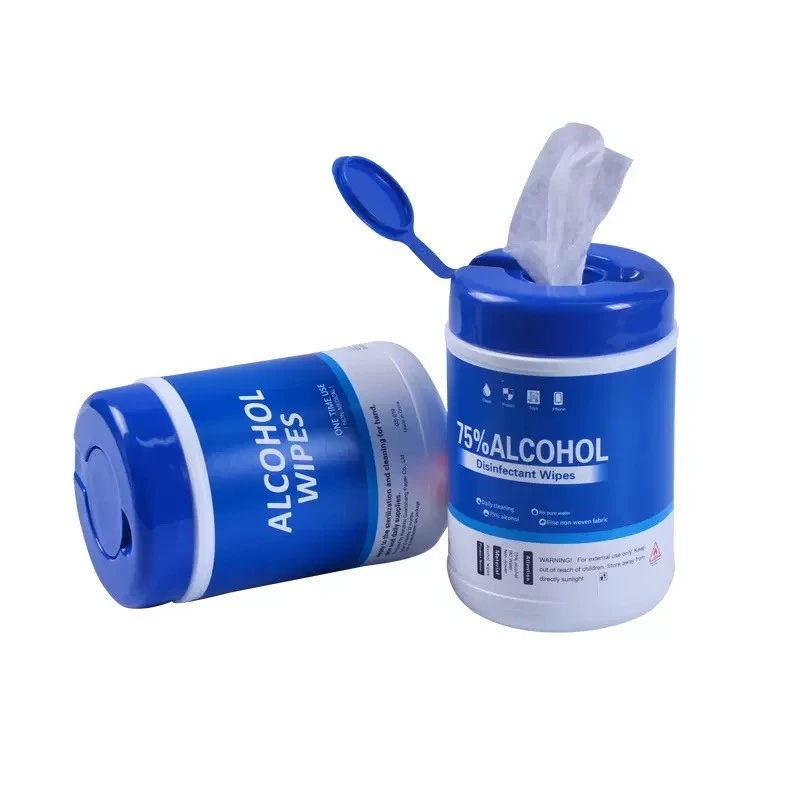
But there are exceptions. Some wet wipes may have a tinted color. For instance, disinfecting wipes may have a light blue or green tint. This tint is often added to the solution that the wipes are soaked in. The color can serve multiple purposes. Firstly, it can act as a visual indicator of the presence of certain active ingredients. For example, a blue tint might be associated with antibacterial agents, making it easier for consumers to identify the type of wipe they are using. Secondly, it can enhance the aesthetic appeal of the product. A colored wipe can stand out from the traditional white ones, making it more attractive to consumers.
Different Types of Wet Wipes and Their Colors
Disinfecting Wipes
Disinfecting wipes are designed to kill germs and bacteria on surfaces. As mentioned earlier, they often have a light blue or green tint. The blue color can be reminiscent of the color of many disinfectants, such as bleach - based solutions, which gives consumers a sense of trust in the product's disinfecting ability. You can find more information about our Disinfecting Wipes on our website.
Bag Packed Seal and Appliance Wet Wipes
These wipes are used for cleaning appliances and seals. They are usually white or have a very light tint. The white color is ideal as it doesn't leave any color residue on the surfaces being cleaned. Our Bag Packed Seal and Appliance Wet Wipes are carefully formulated to ensure effective cleaning without any discoloration.
Bag Packed Stainless Steel Wet Wipes
Stainless steel wet wipes are specifically designed to clean and polish stainless steel surfaces. They are often white to avoid any color transfer onto the shiny stainless steel. The cleaning solution in these wipes is formulated to remove fingerprints, smudges, and stains while leaving a protective layer on the surface. You can learn more about our Bag Packed Stainless Steel Wet Wipes on our website.
Hardwood Floor Wet Cleaning Pads
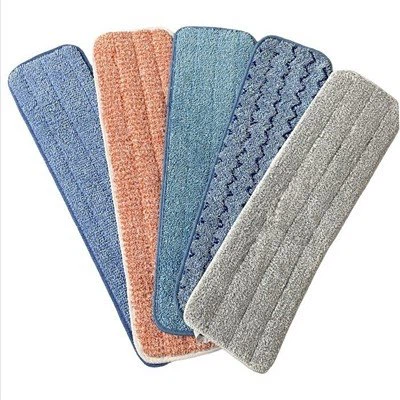
Hardwood floor wet cleaning pads are used to clean and maintain hardwood floors. They are typically white or off - white. The white color is important as it allows consumers to see how dirty the pad gets during the cleaning process, which is a good indicator of the effectiveness of the cleaning. Our Hardwood Floor Wet Cleaning Pads are made from high - quality materials to ensure gentle yet effective cleaning of hardwood floors.
Lens Cleaning Wipe
Lens cleaning wipes are used to clean glasses, camera lenses, and other optical surfaces. They are usually white to avoid any scratches or color transfer onto the delicate lenses. The cleaning solution in these wipes is specially formulated to remove smudges, fingerprints, and dust without leaving any streaks. Check out our Lens Cleaning Wipe for more details.
The Science Behind the Color of Wet Wipes
The color of wet wipes is not just a matter of aesthetics; it also has some scientific aspects. The base material of wet wipes, non - woven fabric, is made from fibers that are bonded together. These fibers are usually white because they are made from natural or synthetic polymers that have a white appearance.
The solution that the wipes are soaked in can also affect the color. The solution contains various ingredients such as water, surfactants, disinfectants, and fragrances. Some of these ingredients may have a natural color or may react with each other to produce a color. For example, certain antibacterial agents may have a yellowish tint, but this is usually masked by adding a more dominant color to the solution.
In addition, the color of the wet wipes can also be affected by the manufacturing process. If the wipes are exposed to certain chemicals or environmental factors during production, it may cause a change in color. However, strict quality control measures are in place to ensure that the color of the wet wipes is consistent and meets the desired standards.
Consumer Preferences and the Color of Wet Wipes
Consumer preferences play a significant role in the color of wet wipes. While many consumers prefer traditional white wipes for their perceived cleanliness, there is also a growing demand for colored wipes. Colored wipes can be more fun and appealing, especially for products targeted at children or for use in specific applications.
For example, a pink - colored wet wipe might be more attractive to young girls, and it could be used for personal care products. On the other hand, a bright orange wipe could be used for a high - energy cleaning product. As a wet wipe supplier, we take into account these consumer preferences when developing new products.

Quality Assurance and the Color of Wet Wipes
As a responsible wet wipe supplier, we ensure that the color of our wet wipes is not only aesthetically pleasing but also safe and of high quality. We use only food - grade or cosmetic - grade dyes in our colored wipes, which are approved by relevant regulatory authorities. These dyes are non - toxic and do not cause any skin irritation.
We also conduct regular quality control tests on our wet wipes to ensure that the color is consistent throughout the production process. This includes checking the color of the base material, the solution, and the final product. Any deviation from the standard color is carefully investigated and corrected.
Conclusion
In conclusion, the color of wet wipes in a colored pack can vary depending on the type of product, the manufacturing process, and consumer preferences. While most wet wipes are white or off - white, some may have a tinted color for visual indication or aesthetic purposes. As a wet wipe supplier, we strive to provide high - quality products that meet the diverse needs of our customers.
If you are interested in purchasing our wet wipes, we invite you to contact us for a detailed discussion about your requirements. We are committed to providing you with the best products and services.
References
- "Handbook of Nonwoven Fabrics" by S. K. Malhotra
- "Disinfection, Sterilization, and Preservation" by Seymour S. Block