
Yo, folks! I'm a supplier of wet wipes, and today I wanna chat about something that might seem a bit niche but is actually pretty important: the thickness of wet wipes in a double - layer pack.
First off, let's talk about why we even care about the thickness of wet wipes. Thickness plays a huge role in the performance and user experience of wet wipes. A thick wet wipe can hold more liquid, which means it can clean better. It's also less likely to tear when you're using it, whether you're wiping up a big mess or just doing some light cleaning.
In a double - layer pack, we're essentially combining the benefits of two layers to create a more robust and effective wipe. But how thick should these wipes be? Well, there's no one - size - fits - all answer, and it depends on a few factors.
Factors Affecting the Thickness of Double - Layer Wet Wipes
1. Intended Use
The purpose of the wet wipes is the biggest factor in determining their thickness. For example, Lens Cleaning Wipe need to be thin and gentle. You don't want a thick wipe scratching your expensive glasses or camera lenses. These wipes are usually made from a super - fine fabric that's thin enough to glide smoothly over the surface without causing any damage. They still need to hold a small amount of cleaning solution, but the focus is on delicacy.
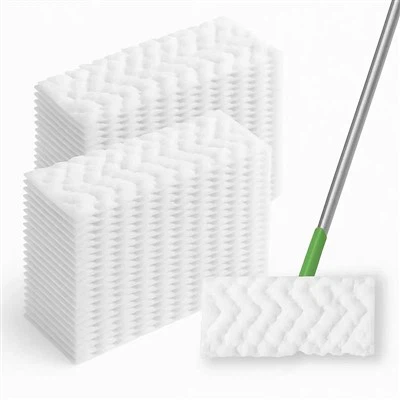
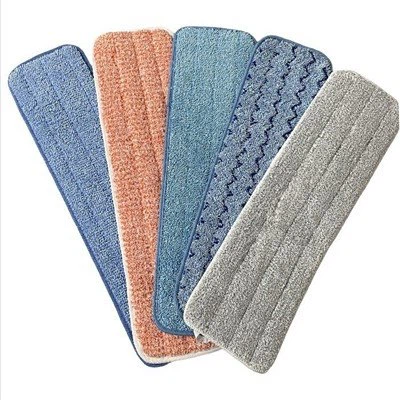
On the other hand, Hardwood Floor Wet Cleaning Pads need to be thick and absorbent. Hardwood floors can get pretty dirty, with dust, grime, and even sticky spills. A thick double - layer pad can hold a large amount of cleaning solution, allowing you to cover more area without constantly re - wetting the pad. It also provides a bit of cushioning, which can be helpful when you're scrubbing stubborn stains.
2. Material Quality
The materials used to make the wet wipes also affect their thickness. High - quality materials can often be thinner while still maintaining strength and absorbency. For instance, some premium wipes are made from a blend of natural fibers and synthetic materials. These fibers are tightly woven or bonded together, creating a strong and durable wipe that doesn't need to be overly thick.
Cheaper materials might need to be thicker to achieve the same level of performance. If the fibers are weaker or less absorbent, adding more layers or making the wipe thicker can compensate for these deficiencies. However, this can also make the wipe feel bulky and less pleasant to use.
3. Cost Considerations
Let's face it, cost is always a factor in manufacturing. Thicker wipes generally use more material, which means they cost more to produce. As a supplier, we need to find a balance between providing a high - quality product and keeping the cost reasonable for our customers.
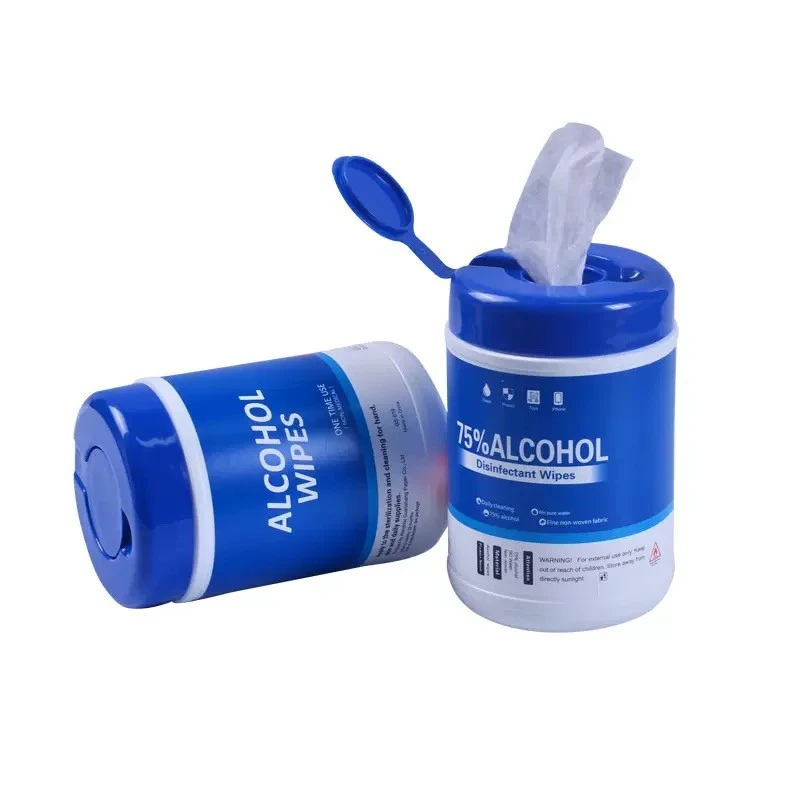
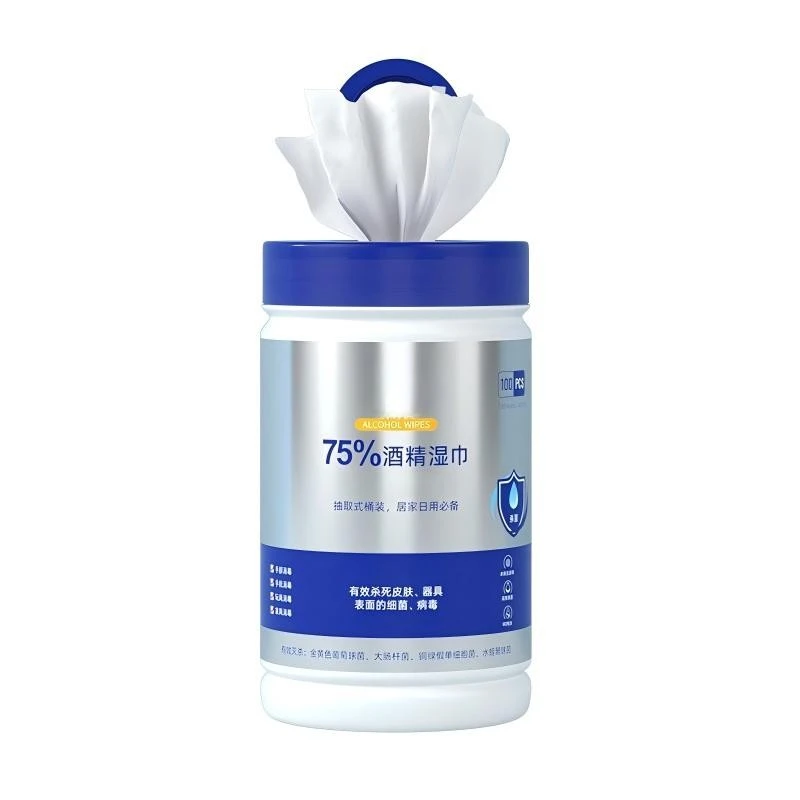
For some applications, like Disinfecting Wipes, customers are often willing to pay a bit more for a thicker, more durable wipe. These wipes are used for killing germs and cleaning surfaces in areas like hospitals, schools, and kitchens, so reliability is key. But for other applications, such as disposable makeup wipes, customers might be more price - sensitive, and we need to offer a thinner but still functional product.
Measuring the Thickness of Double - Layer Wet Wipes
When it comes to measuring the thickness of wet wipes, we usually use a micrometer. A micrometer is a precision tool that can measure very small distances accurately. We measure the thickness of the double - layer wipe at several points to get an average value.
It's important to note that the thickness of a wet wipe can change depending on whether it's dry or wet. When a wipe absorbs liquid, it can expand slightly, increasing its thickness. So, we often measure the thickness in both the dry and wet states to get a complete picture.
Ideal Thickness Ranges for Different Types of Wet Wipes
1. Lens Cleaning Wipes
As I mentioned earlier, lens cleaning wipes need to be thin. The ideal thickness for a double - layer lens cleaning wipe is usually between 0.1 and 0.3 millimeters. This thinness allows for gentle cleaning without leaving any scratches.
2. Hardwood Floor Wet Cleaning Pads
Hardwood floor wet cleaning pads are much thicker. They typically range from 1 to 3 millimeters in thickness. This thickness provides the necessary absorbency and durability for cleaning large areas of hardwood floors.
3. Disinfecting Wipes
Disinfecting wipes are usually in the range of 0.3 to 0.8 millimeters. This thickness allows them to hold enough disinfectant solution while still being strong enough to wipe down surfaces without tearing.
4. Bag Packed Seal and Appliance Wet Wipes
Bag Packed Seal and Appliance Wet Wipes are designed for cleaning appliances and sealed areas. They usually have a thickness of around 0.4 to 1 millimeter. This thickness provides a good balance between absorbency and flexibility.
5. All Purpose Kicthen Wet Wipe
All Purpose Kicthen Wet Wipe need to be able to handle a variety of messes in the kitchen, from grease spills to food stains. Their thickness typically ranges from 0.5 to 1.5 millimeters.
Importance of Consistent Thickness
In addition to getting the right thickness for each type of wet wipe, it's also crucial to maintain consistent thickness across the entire production batch. Inconsistent thickness can lead to problems such as uneven liquid distribution and inconsistent performance.
For example, if some wipes in a pack are thinner than others, they might not hold as much liquid, which can make them less effective at cleaning. On the other hand, if some wipes are too thick, they might be more difficult to dispense from the pack.
As a supplier, we use advanced manufacturing processes and quality control measures to ensure that every wet wipe in a pack has a consistent thickness. This helps us provide a high - quality product that meets our customers' expectations.
Let's Talk Business
If you're in the market for wet wipes, whether it's for personal use, commercial use, or to resell, I'd love to chat with you. We offer a wide range of wet wipes, including all the types I've mentioned in this blog. We can customize the thickness, material, and liquid formula to meet your specific needs.
So, don't hesitate to reach out for a procurement discussion. Let's work together to find the perfect wet wipes solution for you.
References
- Industry research on wet wipe manufacturing
- Internal product testing data from our company