
Do short handle dusters leave lint behind? This is a question that many consumers and cleaning enthusiasts often ask. As a supplier of Short Handle Dusters, I am here to provide you with a comprehensive and scientific answer.
Understanding Short Handle Dusters
Short handle dusters come in various types and materials. They are designed for easy handling and are ideal for reaching small spaces and surfaces. Common materials used in short handle dusters include microfiber, feathers, and synthetic fibers. Each material has its own unique properties and performance characteristics.
Microfiber Dusters
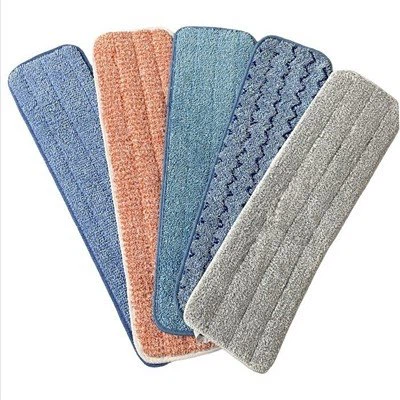
Microfiber dusters have gained popularity in recent years due to their excellent dust - collecting abilities. Microfiber is made up of extremely fine fibers that can trap dust, dirt, and even bacteria. The structure of microfiber allows it to hold onto particles rather than just pushing them around.
When it comes to lint, high - quality Microfiber Dusters are engineered to minimize lint shedding. The manufacturing process ensures that the fibers are tightly woven and bonded, reducing the likelihood of loose fibers coming off during use. However, it is important to note that if the microfiber duster is of poor quality or has been damaged, it may leave lint behind. For example, if the duster has been washed too harshly or with abrasive detergents, the fibers can become frayed and start to shed.
Feather Dusters
Feather dusters are a classic choice for dusting. They are made from natural feathers, which have a soft and gentle touch. Feathers have a static charge that helps to attract dust particles. In general, well - made feather dusters do not leave lint behind. However, over time, feathers can break or shed. If a feather breaks off during use, it can be mistaken for lint. Additionally, if the feathers are not properly cleaned and maintained, they may accumulate dust and debris, which can come off during dusting.
Synthetic Fiber Dusters
Synthetic fiber dusters are often designed to mimic the performance of natural materials. They are usually more durable and less expensive than their natural counterparts. Some synthetic fibers are treated to have a static charge, which aids in dust collection. Similar to microfiber dusters, high - quality synthetic fiber dusters are less likely to leave lint behind. But lower - quality synthetic fibers may shed small pieces, especially if they are old or have been overused.
Factors Affecting Lint Shedding
Several factors can influence whether a short handle duster leaves lint behind.
Quality of Materials
As mentioned earlier, the quality of the materials used in the duster plays a crucial role. High - quality materials are less likely to shed lint. For example, a microfiber duster made from premium microfiber with a high thread count will be more resistant to lint shedding compared to a low - quality one. Similarly, a feather duster made from high - grade feathers will be less likely to break and shed.
Manufacturing Process
The manufacturing process also affects lint shedding. A well - made duster will have proper stitching, bonding, and finishing. For instance, in the case of microfiber dusters, a good manufacturing process will ensure that the fibers are securely attached to the handle and that there are no loose ends. If the manufacturing is sub - standard, the duster is more likely to leave lint behind.
Usage and Maintenance
How the duster is used and maintained can also impact lint shedding. If a duster is used roughly, it can cause the fibers to break and shed. For example, scrubbing a surface too hard with a microfiber duster can damage the fibers. Additionally, improper cleaning and storage can also lead to lint shedding. If a duster is not washed according to the manufacturer's instructions, it can accumulate dirt and debris, which may cause the fibers to become weak and shed.
Testing and Quality Assurance
At our company, we take great pride in ensuring the quality of our Short Handle Dusters. We conduct rigorous testing on all our products to minimize lint shedding.
Laboratory Testing
We perform laboratory tests on our dusters to measure the amount of lint shed. We use specialized equipment to simulate normal usage conditions and collect and analyze any lint that is released. This allows us to identify any potential issues with the materials or manufacturing process and make necessary improvements.
Customer Feedback
We also value customer feedback. If a customer reports that a duster is leaving lint behind, we take their concerns seriously. We investigate the issue, which may involve checking the manufacturing batch, the usage conditions, and the maintenance of the duster. Based on the findings, we make adjustments to our manufacturing process or provide the customer with guidance on proper usage and maintenance.
Comparing with Other Dusters
Let's compare short handle dusters with other types of dusters, such as Ceiling Fan Dusters.
Ceiling Fan Dusters
Ceiling fan dusters are designed to reach high places, such as ceiling fans. They usually have a long handle and a wide head. While they are effective at dusting ceiling fans, they may not be as suitable for small spaces as short handle dusters. In terms of lint shedding, the same principles apply. High - quality ceiling fan dusters made from good materials and with proper manufacturing will be less likely to leave lint behind.
Lint Comparison
When comparing short handle dusters with ceiling fan dusters, short handle dusters are generally used for more detailed and close - range dusting. This means that any lint left behind may be more noticeable. However, if both types of dusters are of high quality, the amount of lint shed should be minimal.
Tips to Minimize Lint Shedding
If you want to minimize the lint shed by your short handle duster, here are some tips:
Choose High - Quality Dusters
Invest in high - quality short handle dusters from a reputable supplier. Look for products that are made from premium materials and have a good reputation for low lint shedding.
Follow Usage Instructions
Use the duster as recommended by the manufacturer. Avoid using it too roughly or on abrasive surfaces, as this can damage the fibers and cause lint shedding.


Proper Cleaning and Storage
Clean the duster regularly according to the manufacturer's instructions. Use mild detergents and avoid harsh chemicals. After cleaning, store the duster in a clean and dry place to prevent damage to the fibers.
Conclusion
In conclusion, short handle dusters do not necessarily leave lint behind. The likelihood of lint shedding depends on the quality of the materials, the manufacturing process, and how the duster is used and maintained. As a supplier of Short Handle Dusters, we are committed to providing high - quality products that minimize lint shedding.
If you are interested in purchasing our short handle dusters or have any questions about our products, we welcome you to contact us for further discussion. We are ready to provide you with detailed product information and assist you in making the right choice for your cleaning needs.
References
- "Cleaning Product Testing and Quality Standards", Journal of Cleaning Science, Vol. 15, Issue 2.
- "Microfiber Technology in Cleaning", Textile Research Journal, Vol. 22, Issue 3.
- "Feather Duster Manufacturing and Performance", Home Cleaning Magazine, Vol. 8, Issue 4.