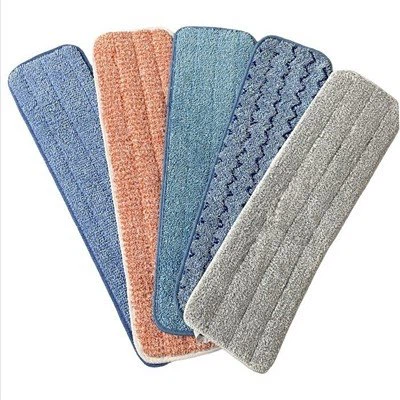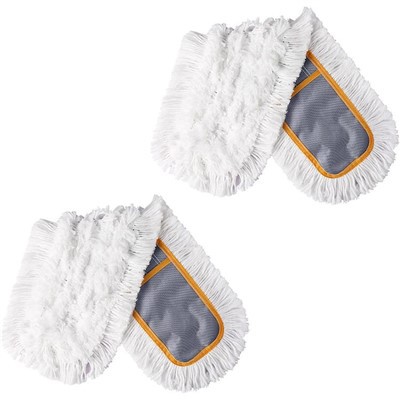

Enhancing the absorbency of microfiber mop pads is a topic of significant interest for many, especially in settings where efficient cleaning is crucial. As a supplier of high - quality microfiber mop pads, I understand the importance of this aspect and have gathered a wealth of knowledge on how to make these pads more absorbent.
Understanding the Science of Microfiber
Microfiber is a synthetic material made up of extremely fine fibers, typically polyesters and polyamides. These fibers are much thinner than traditional cotton or other natural fibers. The structure of microfiber allows for a large surface area per unit volume. This large surface area is the key to its absorbency, as it can trap and hold more liquid. Every microfiber strand has a unique shape, often with grooves and ridges, which helps in capillary action. Capillary action is the ability of a liquid to flow in narrow spaces without the assistance of, or in opposition to, external forces like gravity. When a microfiber mop pad comes into contact with a liquid, the liquid is drawn into these tiny spaces between the fibers and held there.
Proper Initial Preparation
The first step in making your microfiber mop pad more absorbent starts right from the beginning - the initial preparation. When you receive a new microfiber mop pad, it is essential to wash it before the first use. New pads may have manufacturing residues on them, such as oils and chemicals used during the production process. These residues can coat the fibers and prevent them from absorbing liquid effectively.
To wash a new microfiber mop pad, use a mild detergent. Avoid using fabric softeners or bleach, as they can damage the microfiber structure and reduce absorbency. Fabric softeners leave a thin film on the fibers, which blocks the pores and reduces the surface area available for absorption. Bleach, on the other hand, can break down the fibers, weakening their structure and reducing the capillary action.
Fill a sink or a basin with lukewarm water and add a small amount of mild detergent. Submerge the mop pad in the water and gently agitate it for a few minutes. Then, rinse it thoroughly under running water until all the soap is removed. Squeeze out the excess water gently, but do not wring it too hard, as this can damage the fibers. After washing, let the pad air - dry completely. This initial wash will open up the fibers and prepare them for maximum absorbency.
Regular Cleaning and Maintenance
Regular cleaning of the microfiber mop pad is crucial for maintaining its absorbency. After each use, the pad can become clogged with dirt, debris, and the liquid it has absorbed. If not cleaned properly, these substances can build up on the fibers and reduce the pad's ability to absorb more liquid.
One effective way to clean the mop pad is to use a washing machine. However, make sure to follow the same rules as the initial wash - use mild detergent and avoid fabric softeners and bleach. Set the washing machine to a gentle cycle with cold or lukewarm water. You can also add a small amount of white vinegar to the wash cycle. Vinegar helps to break down any grease or grime on the fibers and restores the pH balance of the microfiber, which can enhance absorbency.
After the wash cycle is complete, remove the pad from the machine and check if there are any stubborn stains. If so, you can spot - clean them with a mixture of water and a small amount of dish soap. Gently scrub the stained area with a soft brush and then rinse it thoroughly.
Once again, let the pad air - dry completely. Avoid using a dryer, as the high heat can damage the microfiber and cause the fibers to melt or shrink, which will significantly reduce absorbency.
Storage
Proper storage of the microfiber mop pad also plays a role in maintaining its absorbency. After cleaning and drying the pad, store it in a dry and well - ventilated area. Avoid storing it in a damp or humid environment, as this can lead to the growth of mold and mildew on the fibers. Mold and mildew not only reduce the absorbency of the pad but also pose a health risk.
You can hang the mop pad on a hook or lay it flat on a clean surface. If you need to stack multiple pads, make sure they are completely dry to prevent any moisture from being trapped between them.


Using Additives and Treatments
There are some additives and treatments that can be used to enhance the absorbency of microfiber mop pads. One such additive is a microfiber - specific cleaner. These cleaners are formulated to clean and condition the microfiber, removing dirt and debris while also restoring the fibers' natural absorbency.
You can also use a fabric treatment designed for microfiber. These treatments can help to open up the fibers and increase the surface area available for absorption. However, make sure to follow the manufacturer's instructions when using these products, as over - use or improper use can have the opposite effect and reduce absorbency.
Choosing the Right Microfiber Mop Pad
As a supplier, I know that not all microfiber mop pads are created equal. When choosing a mop pad, look for one with a high density of fibers. A higher fiber density means more surface area and better absorbency. Also, consider the type of microfiber. Some microfiber pads are made with a blend of different fibers, which can offer different levels of absorbency and cleaning performance.
Our company offers a wide range of high - quality microfiber mop pads, including Commercial Mop Refill, Microfiber Strip Mop and Microfiber Mop Refills. These products are designed with advanced microfiber technology to provide excellent absorbency and cleaning power.
Conclusion
In summary, making your microfiber mop pad more absorbent involves a combination of proper initial preparation, regular cleaning and maintenance, proper storage, and, in some cases, the use of additives and treatments. By following these steps, you can ensure that your microfiber mop pad remains highly absorbent throughout its lifespan, providing efficient and effective cleaning.
If you are interested in our high - quality microfiber mop pads or have any questions about enhancing absorbency, we welcome you to contact us for procurement and further discussions. We are committed to providing the best products and services to meet your cleaning needs.
References
- "Microfiber Technology: A Comprehensive Guide", Cleaning Industry Research Institute.
- "The Science of Absorbency in Microfiber Materials", Journal of Textile Science and Engineering.
- "Best Practices for Maintaining Microfiber Cleaning Tools", International Sanitary Supply Association.